From KitchGear.com – Your Partner in Culinary Design
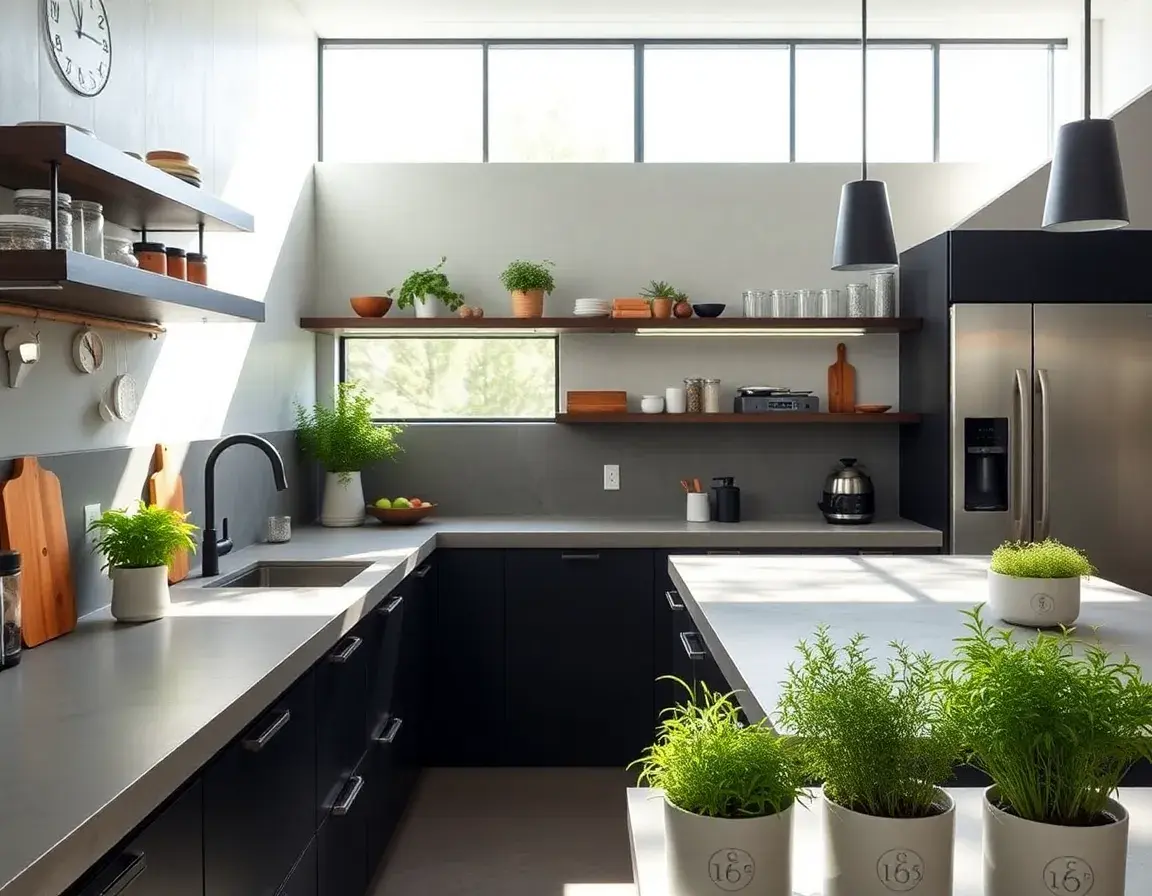
If you've spent any time scrolling through interior design feeds lately, you've likely seen them: the monolithic, slightly weathered, and undeniably cool concrete kitchen countertops. They have a way of making a kitchen feel both industrial and organic at the same time. But as someone who has spent years testing the best kitchen tools for home cooks, I know that what looks good in a photo doesn't always stand up to a Tuesday night taco disaster.
Choosing your countertop is just as important as choosing reliable stand mixers for baking or finding the durable nonstick cookware that won't flake into your omelets. It’s a foundational piece of your workspace. In this guide, we’re going deep on concrete. We'll talk about why they might be the best decision you ever make for your home—and why, for some, they might be a total headache. Plus, if you're the adventurous type, I'll show you the gear that makes the DIY path much smoother.
Why Concrete? The "Pros" that Win Us Over
Concrete isn't just a slab of sidewalk in your kitchen. It’s a highly customizable, artisanal surface. Unlike granite or marble, which are limited to what comes out of the quarry, concrete is a blank canvas. You can choose the exact pigment, the texture, and even the "inlays" (think recycled glass or stones) that go into the mix.
- Total Customization: Want a built-in drainboard? An integrated sink? A specific curve to fit a weird corner? Concrete can do it.
- Heat Resistance: While I always recommend using a trivet (no matter what surface you have!), concrete is naturally very heat-hardy.
- The "Patina": Over time, concrete develops a character. It tells the story of your cooking. For many, this "lived-in" look is a major must-have kitchen essential feature.
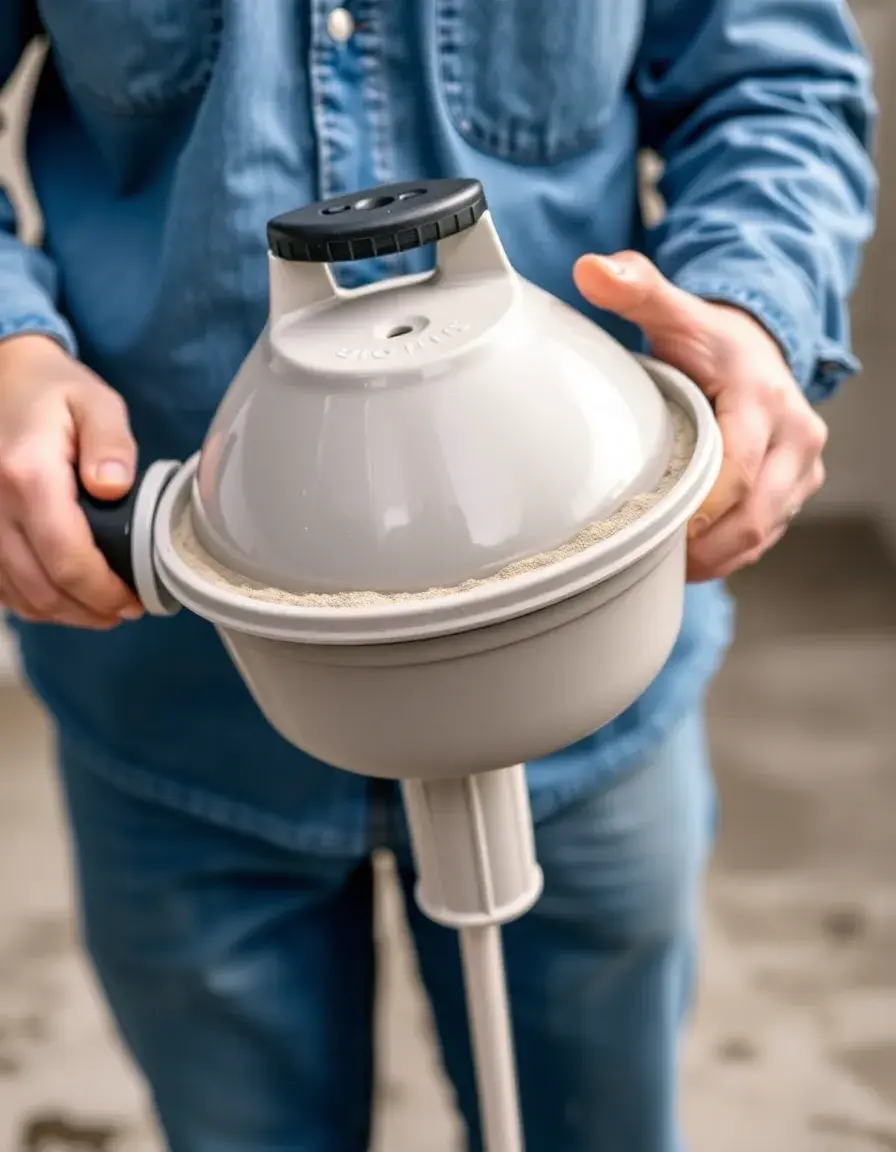
Concrete Mixer Tool
Before you can have a beautiful counter, you have to get the mix right. I’ve tried the "shovel in a bucket" method, and my back still hasn't forgiven me. This electric handheld mixer is a game-changer for small-to-medium kitchen projects. It ensures a consistent, air-bubble-free slurry that is crucial for structural integrity.
AliExpress is often a goldmine for tools like this—you get professional-grade power without the massive markup of local specialty hardware stores. Just remember to check the voltage and read through recent user reviews to ensure it fits your workspace setup.
Check Value on AliExpressThe Real Talk: Understanding the Cons
I wouldn't be a professional gear guide if I didn't tell you the messy parts. Concrete is a porous beast. Without proper care, it will soak up red wine, beet juice, and oil faster than you can say "wipe it up!"
It can also crack. Small hairline cracks (often called "crazing") are common and usually don't affect the structure, but if you want a surface that looks like a pristine sheet of plastic forever, concrete might not be your soulmate. It requires maintenance—specifically, regular sealing.
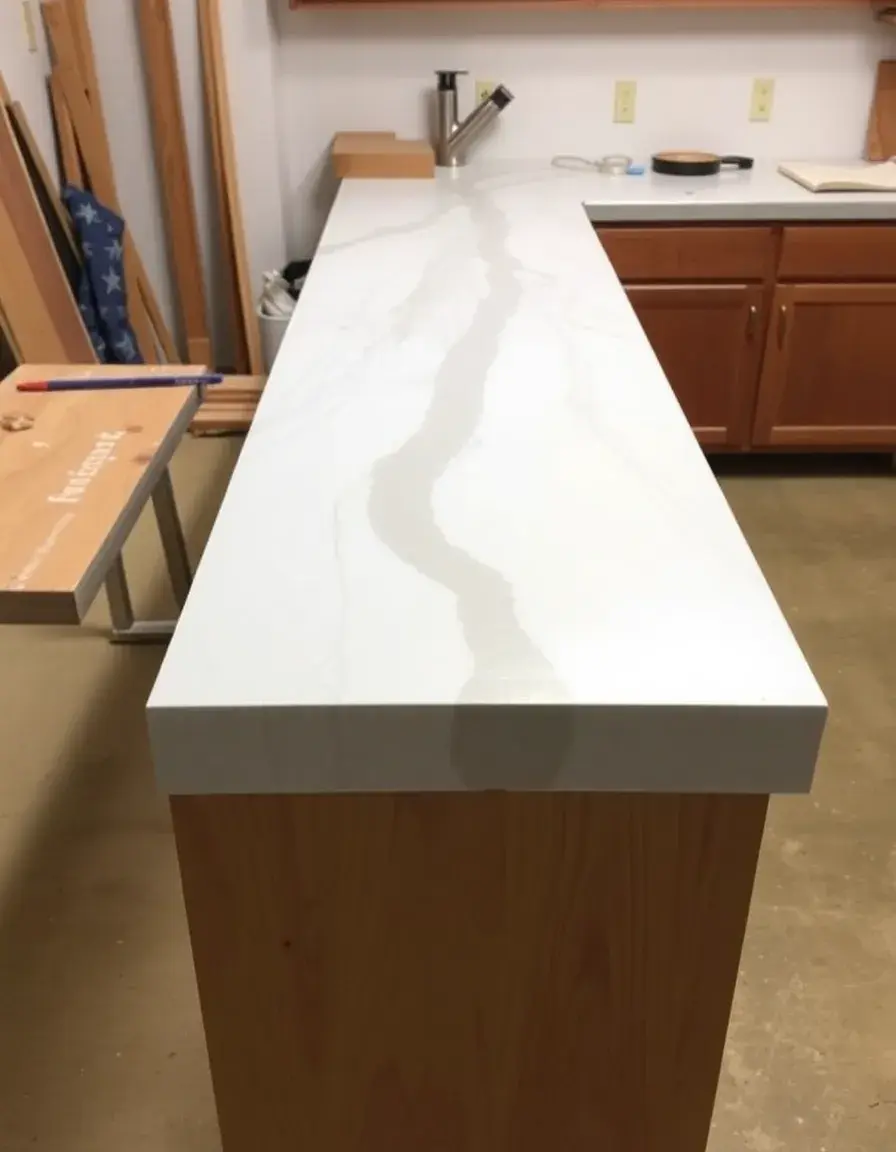
Countertop Mold Form
The secret to those smooth, factory-finished edges you see in magazines? It's all in the mold. Using high-quality melamine forms allows the concrete to release easily and leaves a surface that's already 90% of the way to "perfect."
I love finding unique mold shapes on AliExpress—they often carry specialized profiles that give you that "custom edge" look for a fraction of the cost of local pre-fab options. It's an easy way to level up your DIY game.
See Mold Options"Once you get the hang of working with these materials, you realize that the 'perfect' kitchen isn't something you buy—it's something you create."
How to Choose Kitchen Equipment for the Job
If you're tackling this yourself, don't skimp on the reinforcement. Just like you wouldn't buy a cheap knife that loses its edge in a week, you don't want a countertop that snaps because it lacked internal support. Durable concrete kitchen countertops rely on what's inside.
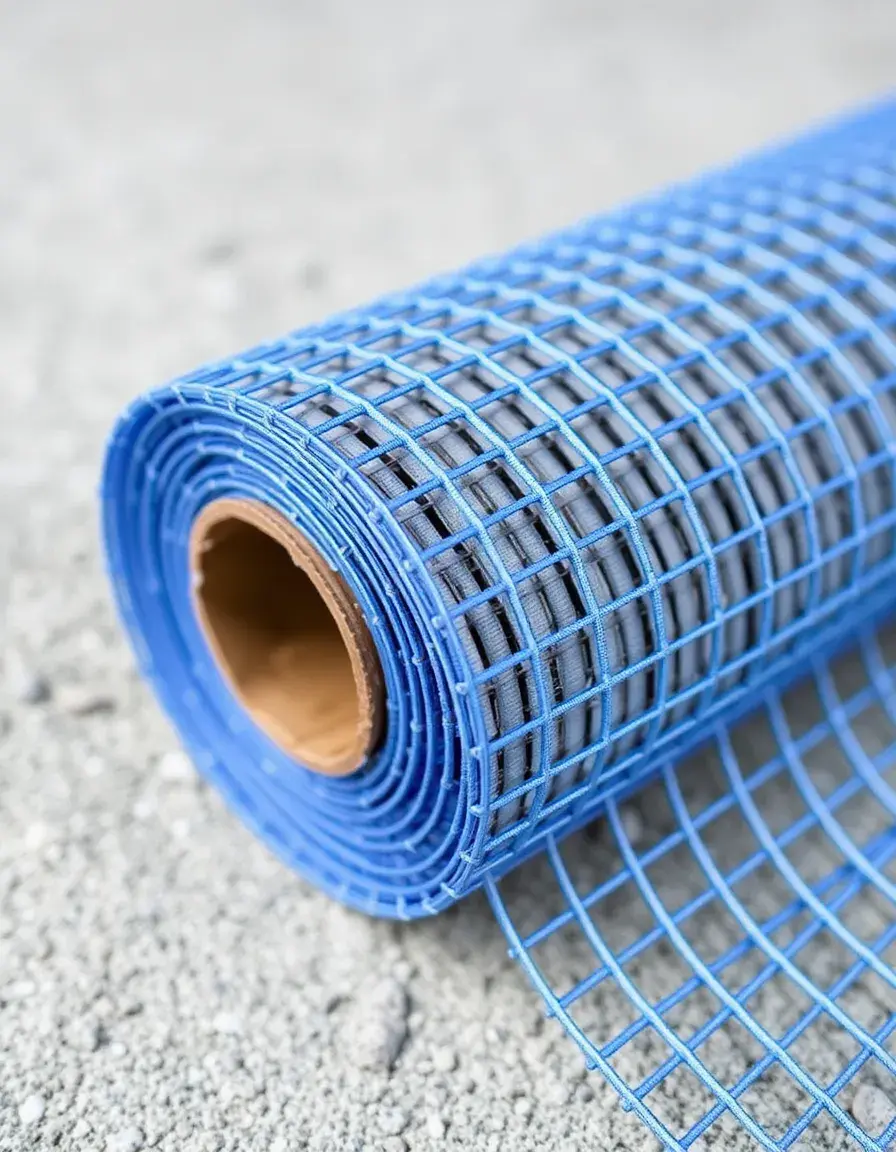
Reinforcement Mesh
Think of this as the skeleton of your countertop. This high-tensile fiberglass mesh prevents those heartbreaking cracks from occurring during the curing process or when you accidentally drop a heavy cast-iron skillet (we've all been there). It’s lightweight, easy to cut, and essential for any thin-pour project.
View Reinforcement GearThe Art of the Finish: Polishing and Coloring
This is where the magic happens. Straight out of the mold, concrete looks... well, like a sidewalk. To get that top-rated kitchen essentials glow, you have to polish it. This involves wet or dry sanding with diamond-impregnated pads, moving from coarse grits to incredibly fine ones.
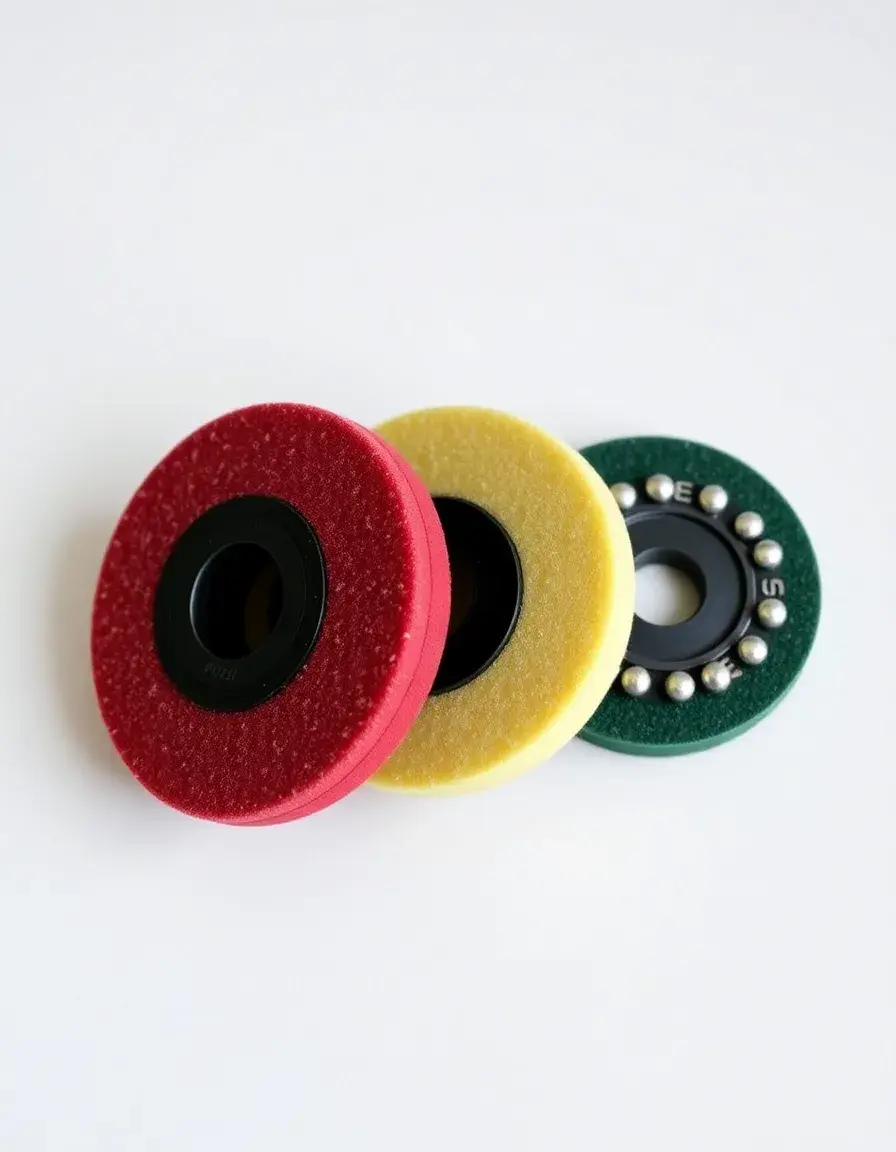
Polishing Pad Set
You cannot fake this step. A good set of diamond pads is what transforms a grey slab into a mirror-finished masterpiece. This set allows you to step through the grits, slowly revealing the beautiful aggregate underneath. It’s oddly satisfying work—like sharpening a chef's knife to a razor edge.
AliExpress is a fantastic place to pick up these consumables. Since you'll go through pads on a large project, the bulk pricing and variety of grits available there make it a much smarter choice for the budget-conscious cook-turned-contractor.
Check Pad Sets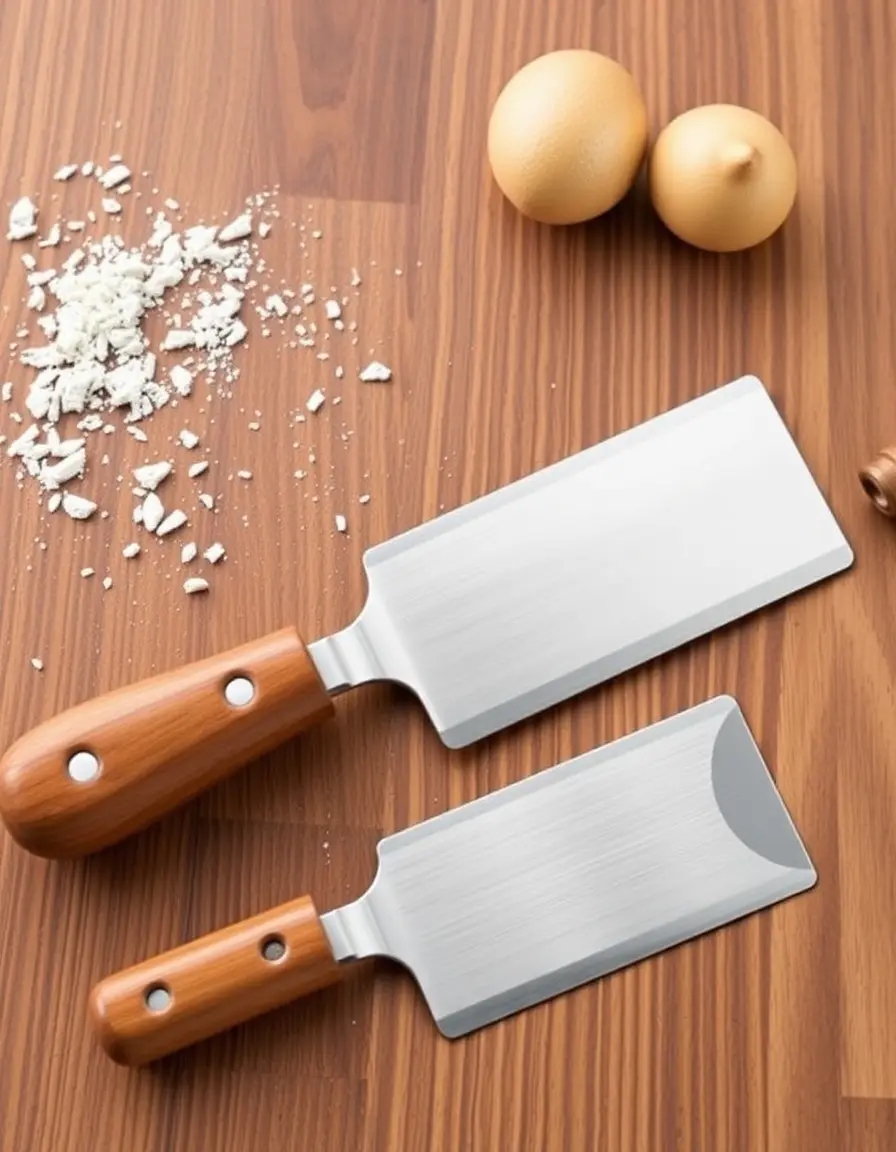
Trowel Set
Even with the best power tools, sometimes you just need to get in there by hand. A set of high-quality stainless steel trowels is vital for "creaming" the surface and ensuring your edges are crisp. I always keep a small one handy for those tight corners around the sink area.
Browse Hand ToolsAdding Character with Color
If "industrial grey" isn't your vibe, don't worry. You can achieve almost any hue using acid stains or integrated dyes. This is how you match your surfaces to your existing must-have kitchen essentials or your favorite 2026 color palette.

Concrete Dye Colorant
This isn't like paint; it’s a chemical reaction that creates deep, mottled tones that won't ever fade or peel. I personally love the smoky charcoal shades—they make white cabinetry pop and hide a multitude of small kitchen "sins."
Explore ColorsProtection: The Final Barrier
I cannot stress this enough: your concrete is only as good as its sealer. Think of it like the seasoning on a cast iron pan. Without it, you're just looking at a porous sponge waiting to be ruined. In the world of kitchen gadget buying guides, sealers are the unsung heroes.
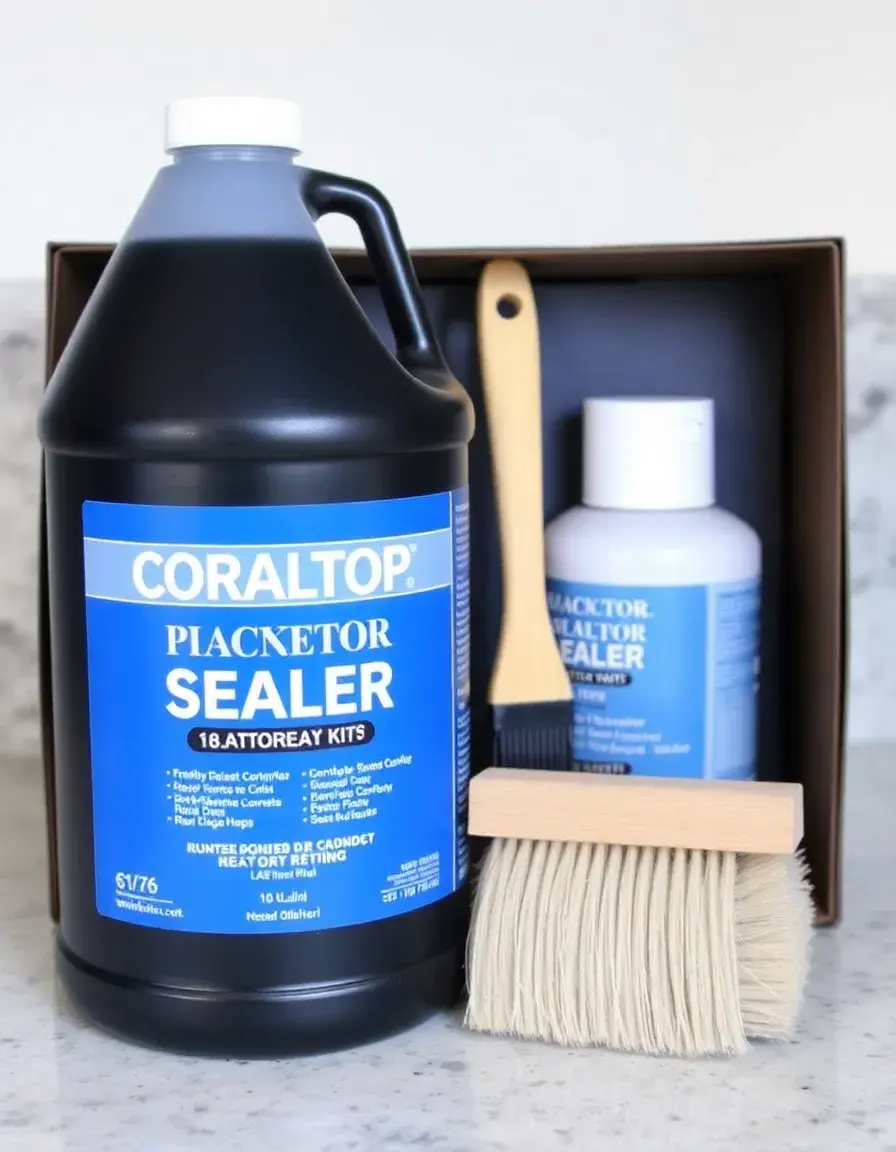
Concrete Sealer Kit
This is your insurance policy. A high-quality sealer penetrates the pores and creates a barrier against acid, oil, and water. This kit includes the brush and the solution needed to give you that professional-grade protection. It's the difference between a counter that lasts 2 years and one that lasts 20.
Get the Kit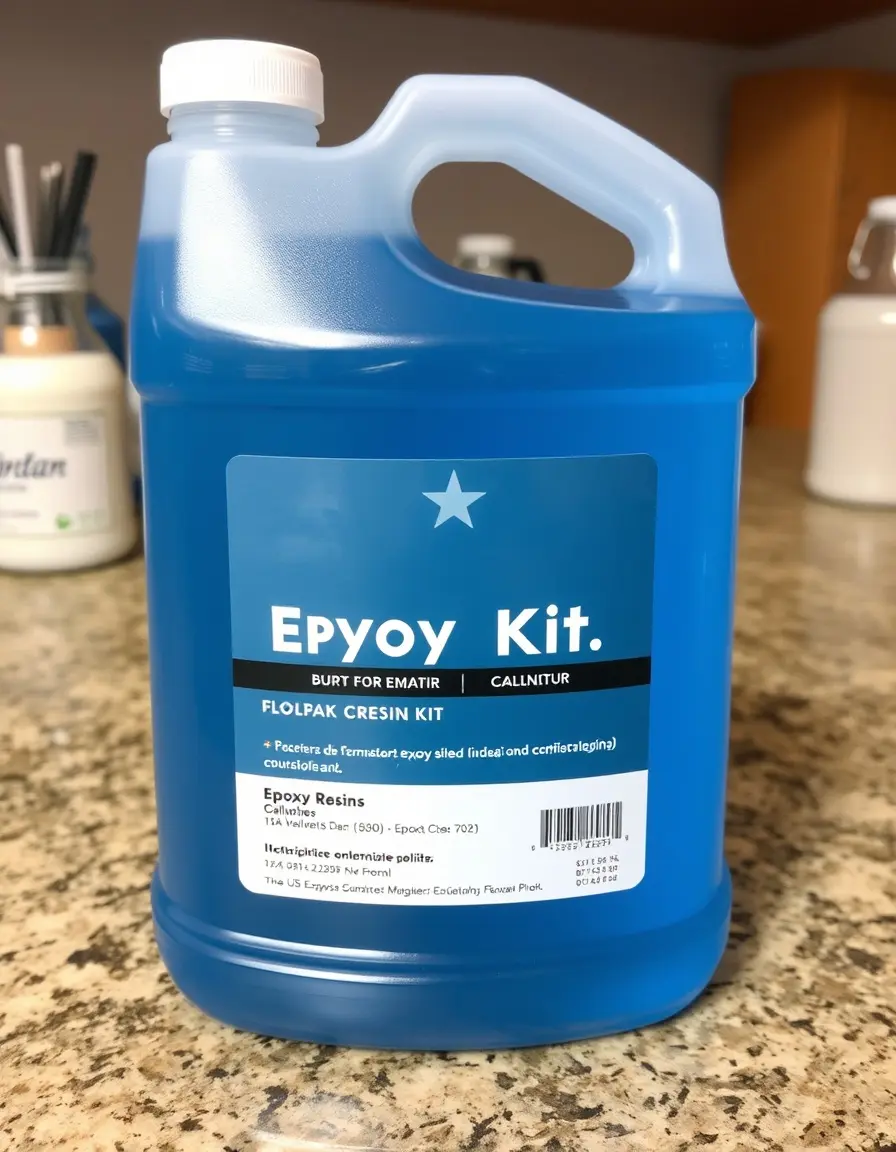
Epoxy Resin Topcoat
If you want that deep, "wet look" finish that is virtually indestructible, an epoxy topcoat is the way to go. It levels itself out to a glass-like shine and provides a heavy-duty layer of protection. It's especially great for high-traffic areas where you're constantly prepping food.
See Epoxy KitsKitchen Essentials: Maintenance Tips
Once your beautiful new concrete kitchen countertops are installed, the real work (the easy kind!) begins. To keep them looking like they belong in a top-rated kitchen tools catalog, follow these simple rules:
- Use a cutting board: Concrete will dull your knives, and knives can scratch your sealer. It’s a lose-lose. Grab a high-quality wood or bamboo board instead.
- Avoid harsh chemicals: Bleach and ammonia are the enemies of your sealer. Use a mild, pH-neutral soap and water.
- Re-seal annually: It takes about 20 minutes, but it ensures your counters remain bulletproof. (Pro tip: If water stops beading on the surface, it’s time to re-seal!)
Ready to Transform Your Kitchen?
At KitchGear.com, we believe that the right tools make every culinary task a joy. Whether you're pouring your own durable concrete kitchen countertops or just looking for the best kitchen tools for home cooks, we've got your back with honest, hands-on reviews.
Don't miss out on our upcoming guides for 2026. From reliable stand mixers for baking to deep dives into top-rated air fryers, we help you shop smarter and cook better.
Explore More Surface Guides