Mastering the Blade: A KitchGear Guide to Your Most Essential Tool
If you ask any professional chef which tool they’d take to a desert island, they won't say a sous-vide machine or a fancy blender. They’ll point to their kitchen knife. It is the extension of a cook’s hand, the primary interface between your ingredients and your vision. Yet, for many home cooks, the knife drawer is a place of frustration—filled with dull blades that squish tomatoes instead of slicing them.
Choosing the right kitchen knife isn't just about spending a lot of money; it's about finding the right balance, the right steel, and the right shape for how you actually cook. Whether you're a weekend baker or a daily meal-prepper, understanding how to choose kitchen equipment that lasts is the first step toward culinary confidence. In this guide, we’re cutting through the marketing fluff to find the must-have kitchen essentials that truly earn their keep.
The Anatomy of a Perfect Blade
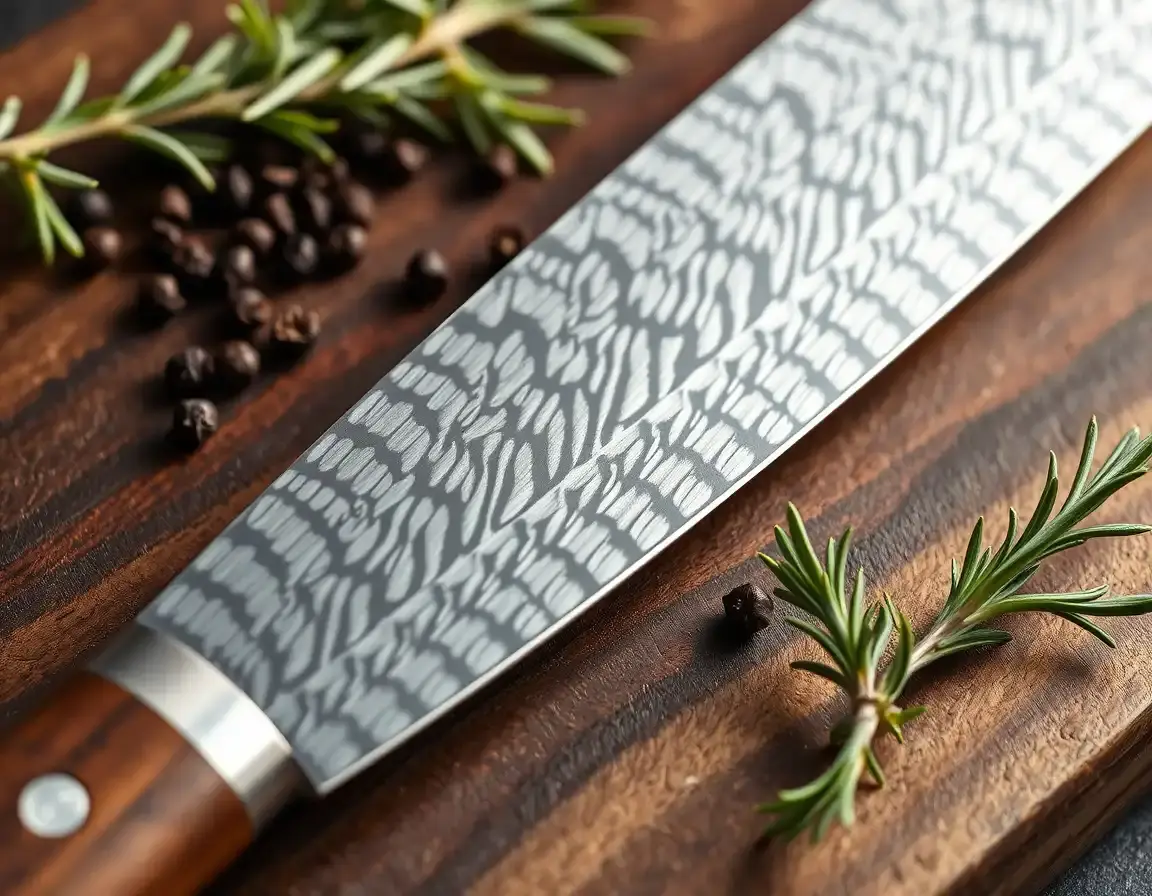
Before we dive into our top picks, let's talk about what makes a knife "good." You've likely heard terms like "full tang" or "high carbon" thrown around. Here’s the breakdown: a full tang means the steel of the blade runs all the way through the handle, providing stability and balance. High-carbon stainless steel gives you the best of both worlds—the edge retention of carbon steel with the rust-resistance of stainless. (Pro tip: If a knife feels "handle-heavy" or "blade-heavy," your wrist will tire out during a long onion-chopping session.)
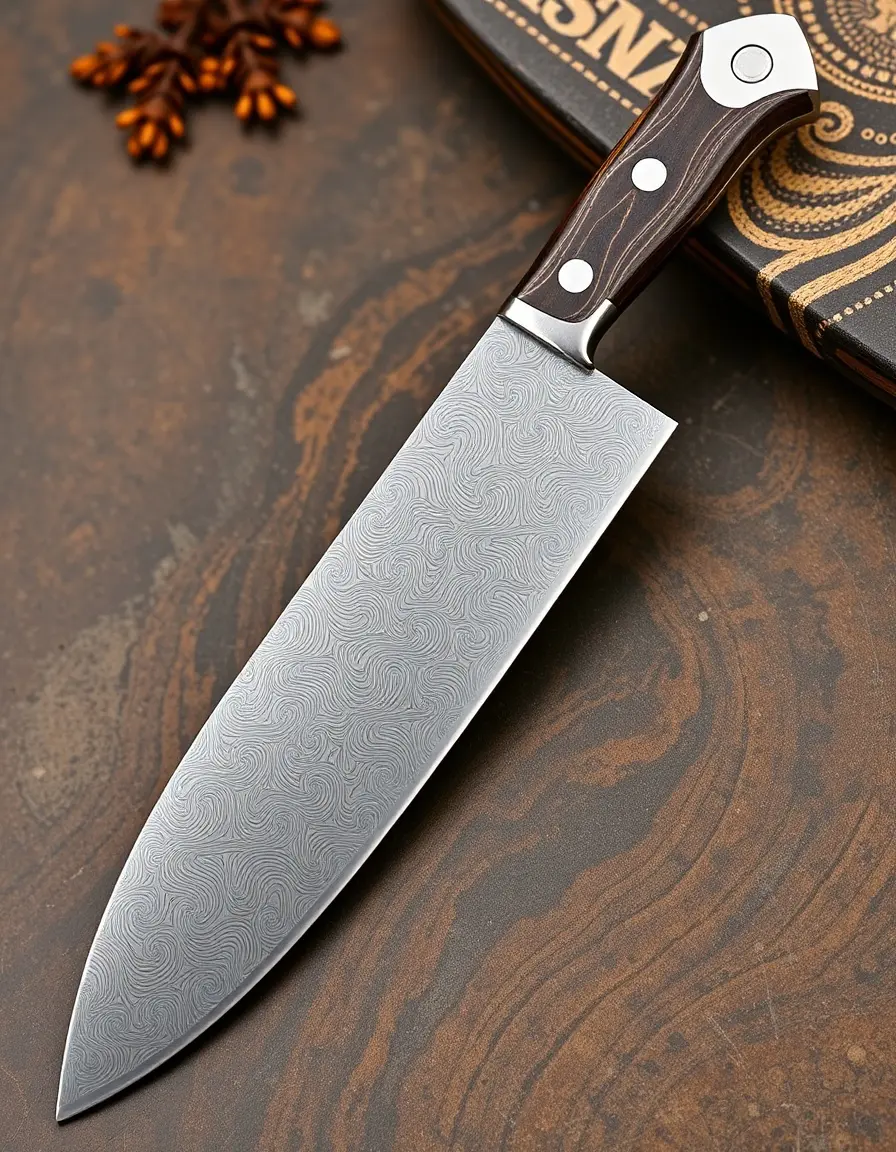
Damascus Steel Kitchen Knife
There is something undeniably poetic about a Damascus blade. This isn't just about those beautiful, flowing ripples in the steel; it’s about the layering process that creates a incredibly hard, durable edge. A full tang construction ensures this isn't just a "display" piece—it's built for heavy-duty prep.
If you're looking for affordable professional-grade knives, exploring the variety on AliExpress is a game-changer. You often find boutique-level craftsmanship, like this patterned beauty, at a fraction of the cost of high-street brands. Just be sure to check the latest reviews to ensure the heat treatment is up to par!
View on AliExpress"A sharp knife is a safe knife. When the blade does the work, you don't have to apply dangerous pressure that leads to slips."
Japanese vs. Western: Which Style Wins?
Western knives (think German or French) are generally heavier, with a more curved "belly" designed for a rocking motion. They are the workhorses of the kitchen. Japanese knives, on the other hand, are often thinner, lighter, and sharper, designed for precise, vertical slicing. For the average home cook, a Santoku kitchen knife often provides the perfect middle ground.
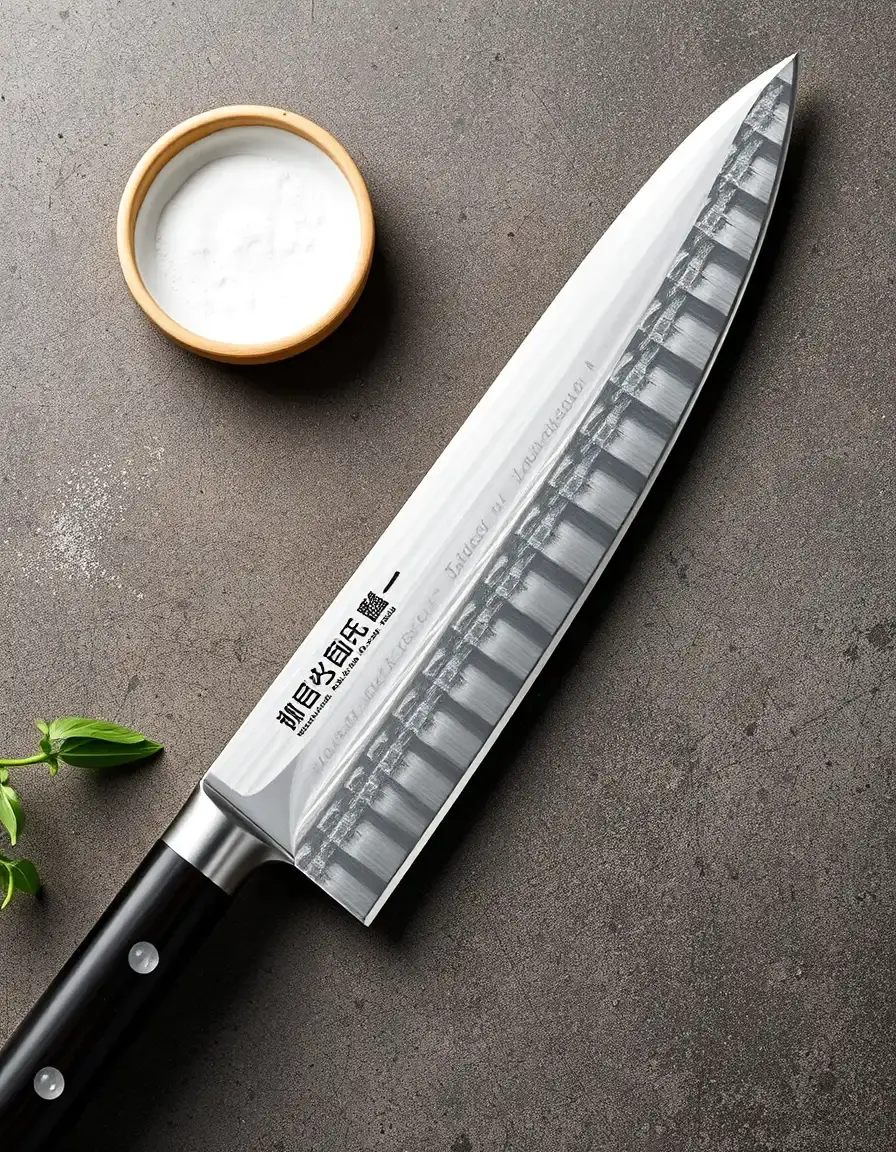
Santoku Kitchen Knife
The name Santoku translates to "three virtues"—slicing, dicing, and mincing. This Japanese-style blade features a "granton edge" (those little dimples), which creates air pockets so starchy vegetables like potatoes don't stick to the blade while you work.
It's one of the best kitchen tools for home cooks who find traditional 8-inch chef's knives a bit intimidating. Its slightly shorter length and flatter edge make it feel incredibly controlled and nimble.
View on AliExpressThe Specialized Toolkit: Beyond the Chef's Knife
While a chef's knife or Santoku handles 80% of your tasks, the other 20% requires specialized geometry. You wouldn't use a sledgehammer to hang a picture frame, and you shouldn't use a heavy cleaver to peel an apple.
1. The Precision of the Paring Knife
When you're off-board—meaning you're holding the ingredient in your hand—you need a Paring Kitchen Knife. Whether it's hulling strawberries or deveining shrimp, a small, curved blade offers the surgical precision required for delicate work. It’s a beginner-friendly kitchen gear staple that often gets overlooked until you're struggling to peel ginger with a massive blade.
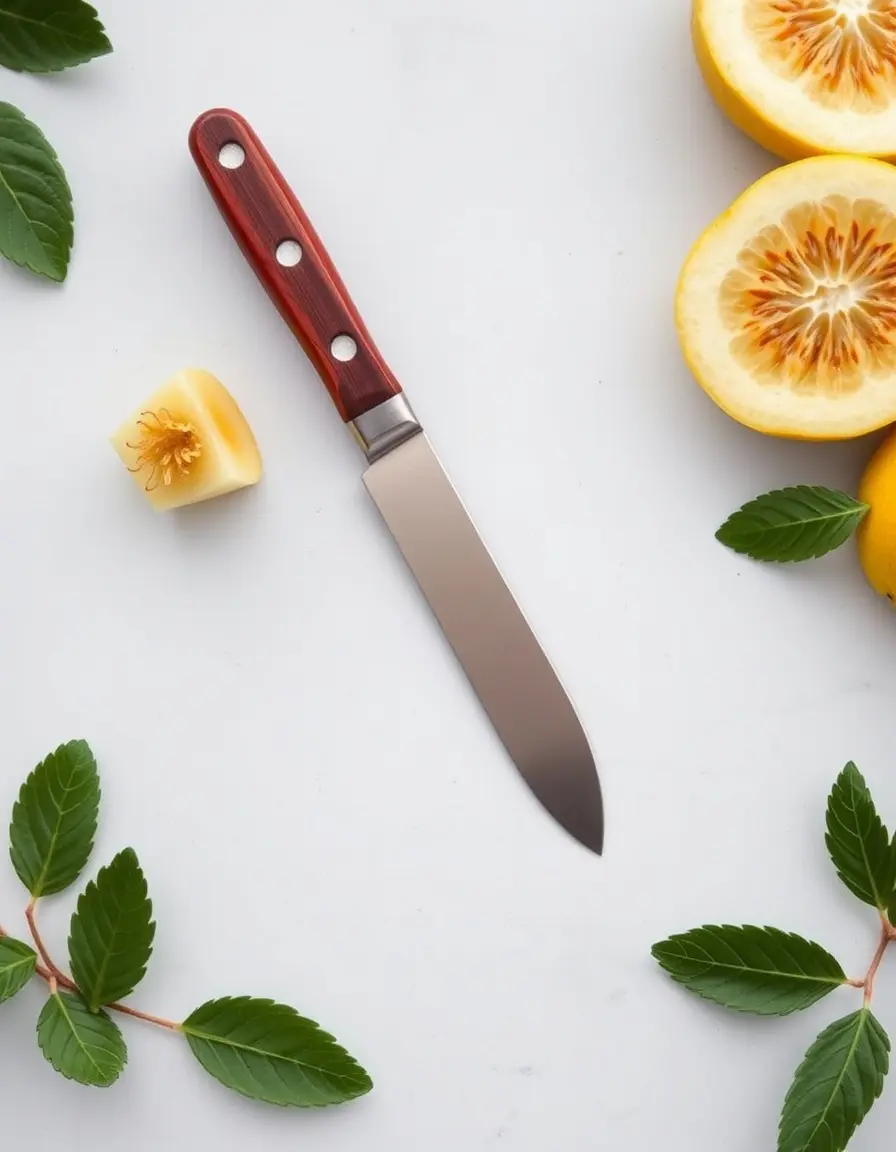
Check out this Paring Knife on AliExpress
2. The Serrated Savior
Ever tried to slice a crusty sourdough with a straight blade? It’s a mess of crumbs and flattened bread. A Bread Kitchen Knife with deep serrations acts like a saw, biting into tough crusts while leaving the soft interior intact. This is also your secret weapon for slicing ripe tomatoes or waxy citrus fruits.
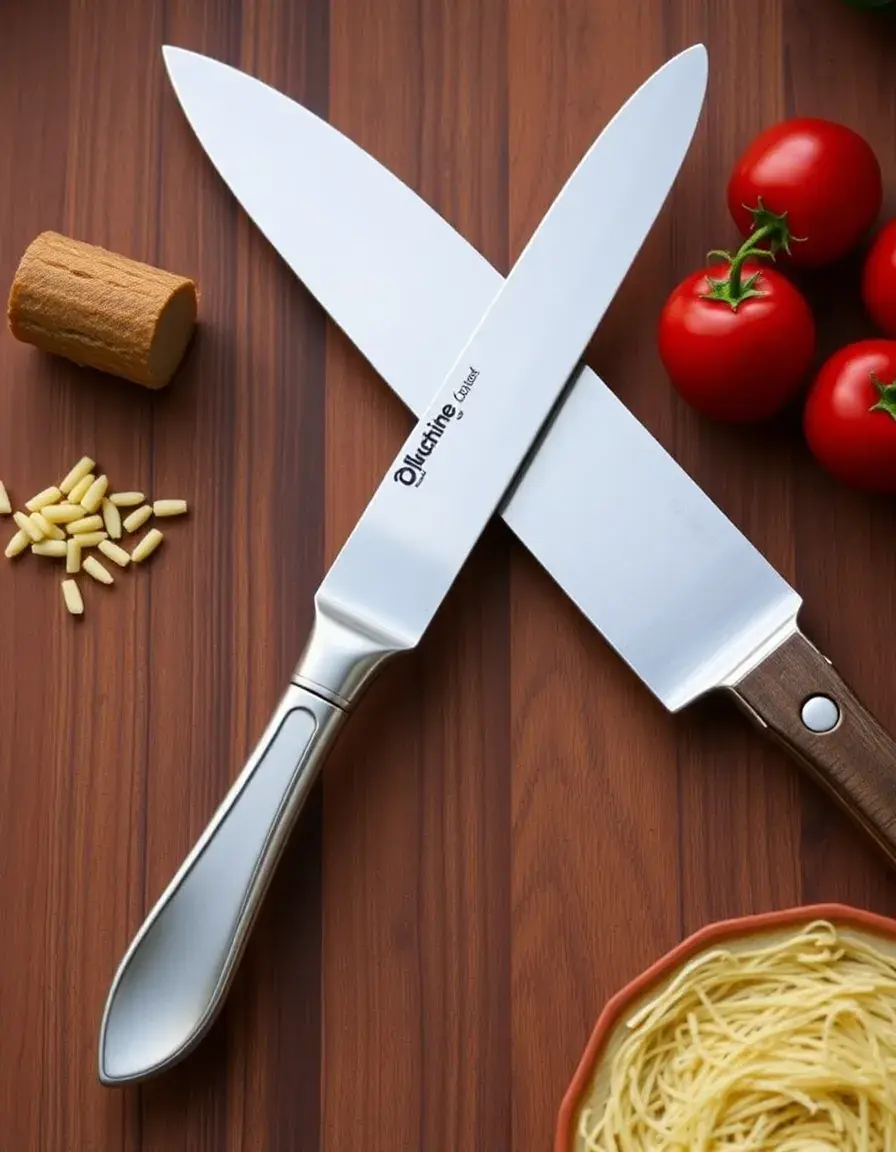
Find the perfect Bread Knife here
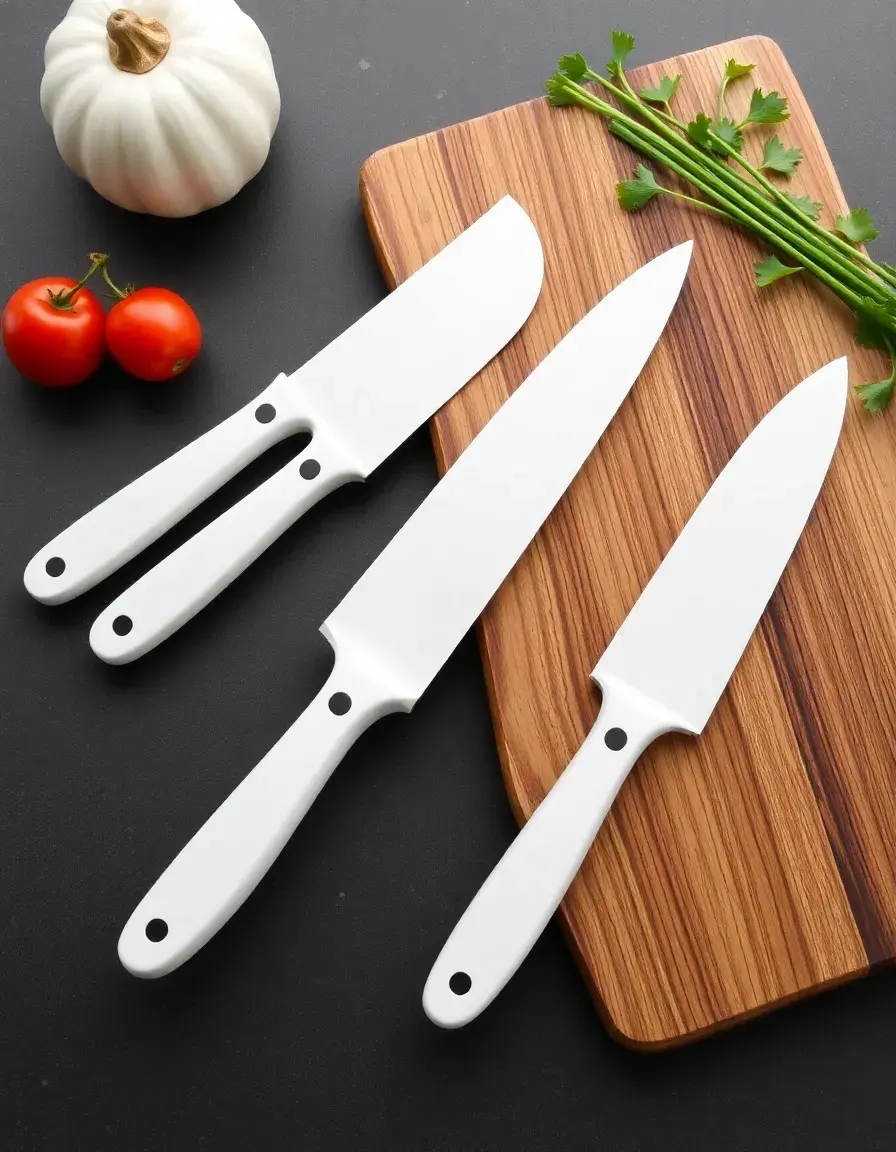
Ceramic Kitchen Knife Set
Not a fan of sharpening? Ceramic knives stay sharp significantly longer than steel. They are completely rust-proof and won't brown your lettuce (steel can cause oxidation in some greens).
While they are brittle and shouldn't be used on bones, a ceramic kitchen knife set is a fantastic addition for fruit and veggie prep. They represent some of the most durable kitchen tools in terms of edge retention if handled with care.
View on AliExpressHeavy Lifting: Meat and Poultry
If your cooking involves breaking down whole chickens or handling large roasts, you need tools that can handle the resistance of connective tissue and bone.
The Utility Knife
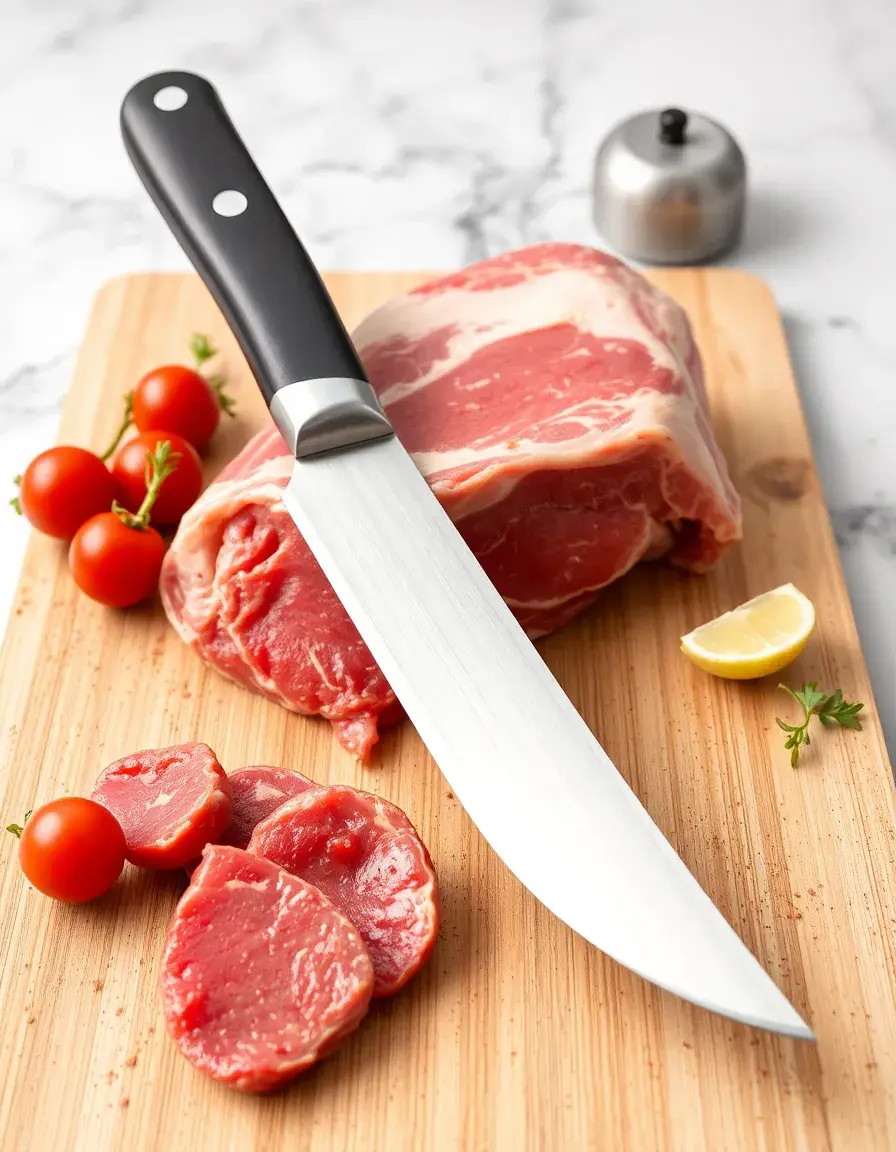
The "in-between" knife. A Utility Kitchen Knife is longer than a paring knife but narrower than a chef's knife. It’s perfect for slicing cold cuts or smaller pieces of meat where you need a straight, clean edge.
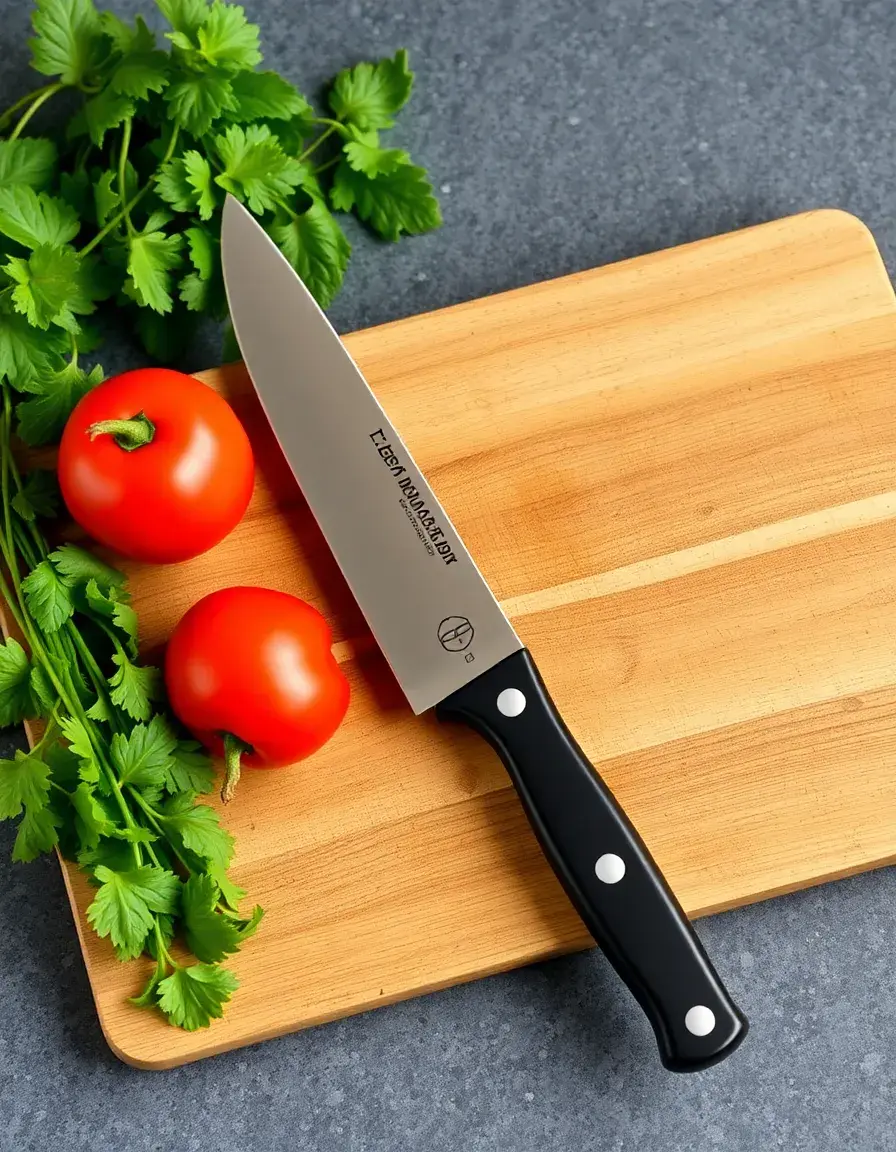
The Boning Knife
A Boning Kitchen Knife is thin and flexible. This allows you to follow the curve of a bone, ensuring you get every last bit of meat without wasting a gram. It's essential for anyone who likes to shop at the butcher counter.
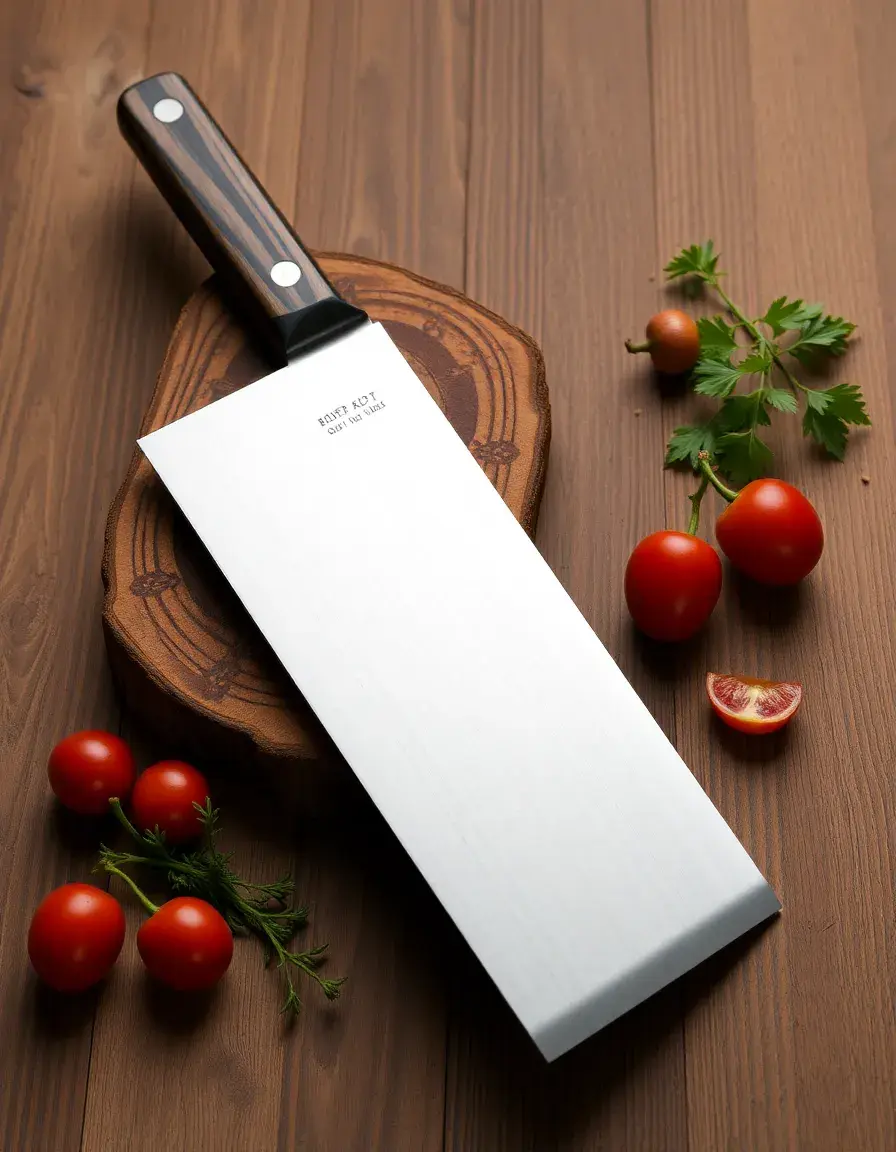
Cleaver Kitchen Knife
When you need to get through poultry bone or heavy squash, the weight of a Cleaver Kitchen Knife is your best friend. This isn't about finesse; it's about momentum and force.
AliExpress is a goldmine for unique, heavy-duty cleavers that you won't find in your local mall. From traditional Chinese vegetable cleavers to heavy meat splitters, the variety is staggering. (Reminder: Always check the blade weight in the specs—a good cleaver should have some heft to it!)
View on AliExpressHow to Care for Your Kitchen Knives
Buying the best kitchen knife is only half the battle. If you throw a $200 blade into the dishwasher, you’re basically committing culinary treason. Here’s the kitchen knife buying guide to longevity:
- Hand Wash Only: The high heat and abrasive detergents in a dishwasher will dull your edge and crack your handles. Wash with warm soapy water and dry immediately.
- Use the Right Board: Stick to wood, bamboo, or high-quality plastic. Glass, marble, or tile cutting boards will destroy your edge in seconds.
- Honing vs. Sharpening: Use a honing rod regularly to keep the edge straight. Actual sharpening (removing metal to create a new edge) should only happen once or twice a year.
- Safe Storage: Use a magnetic strip, a knife block, or blade guards. Never let knives rattle around in a "junk drawer"—it's dangerous for the knives and your fingers!
Ready to Upgrade Your Kitchen?
At KitchGear.com, we believe that better tools lead to better meals. Don't settle for dull blades that make cooking a chore. Explore our in-depth guides on Kitchen Tools, Utensils, and Accessories to build the culinary kit of your dreams.
Sign up for our newsletter to get hands-on reviews of the latest gear, exclusive AliExpress deals, and tips to keep your kitchen running like a pro station.
Join the KitchGear Community