The Honest Path to Smarter Chopping and Better Cooking
Let’s be real for a second: Walking into a kitchen store is like walking into a trap. You see those massive 22-piece knife blocks gleaming under the spotlights, and for a moment, you think, "Yes, I definitely need that tiny serrated thing for... whatever it does."
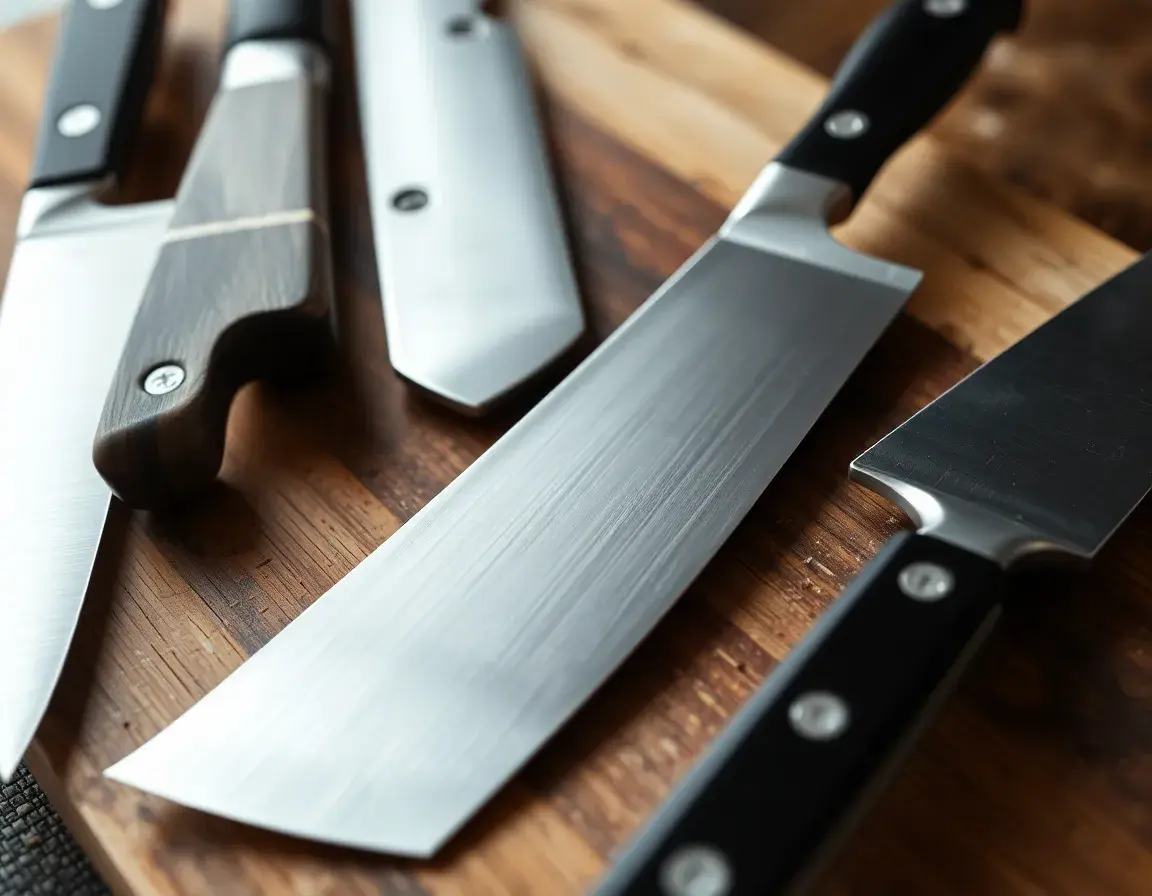
Fast forward six months, and you’re using exactly two of those knives while the rest gather dust and take up precious counter space. Building a real kitchen knife buying guide isn't about quantity; it's about finding the best kitchen tools for home cooks that actually fit your hand and your cooking style. Today, we're cutting through the marketing fluff to help you build a collection that lasts a lifetime.
The Foundation: Understanding Your Steel
Before we dive into specific shapes, we need to talk about what makes a knife worth your money. You’ve probably heard terms like "high-carbon stainless steel" or "forged vs. stamped." Here’s the layman’s version: High-carbon stainless steel is the sweet spot. It gives you the knife sharpness and edge retention of carbon steel but won’t rust the second you look at it sideways.
Whether you prefer Japanese vs German chef knives often comes down to weight. German knives are the tanks—thick, heavy, and ready to hack through a squash. Japanese knives are the scalpels—light, laser-sharp, and designed for precision. Neither is "better," but knowing your preference is the first step in how to choose kitchen equipment that you'll actually enjoy using.
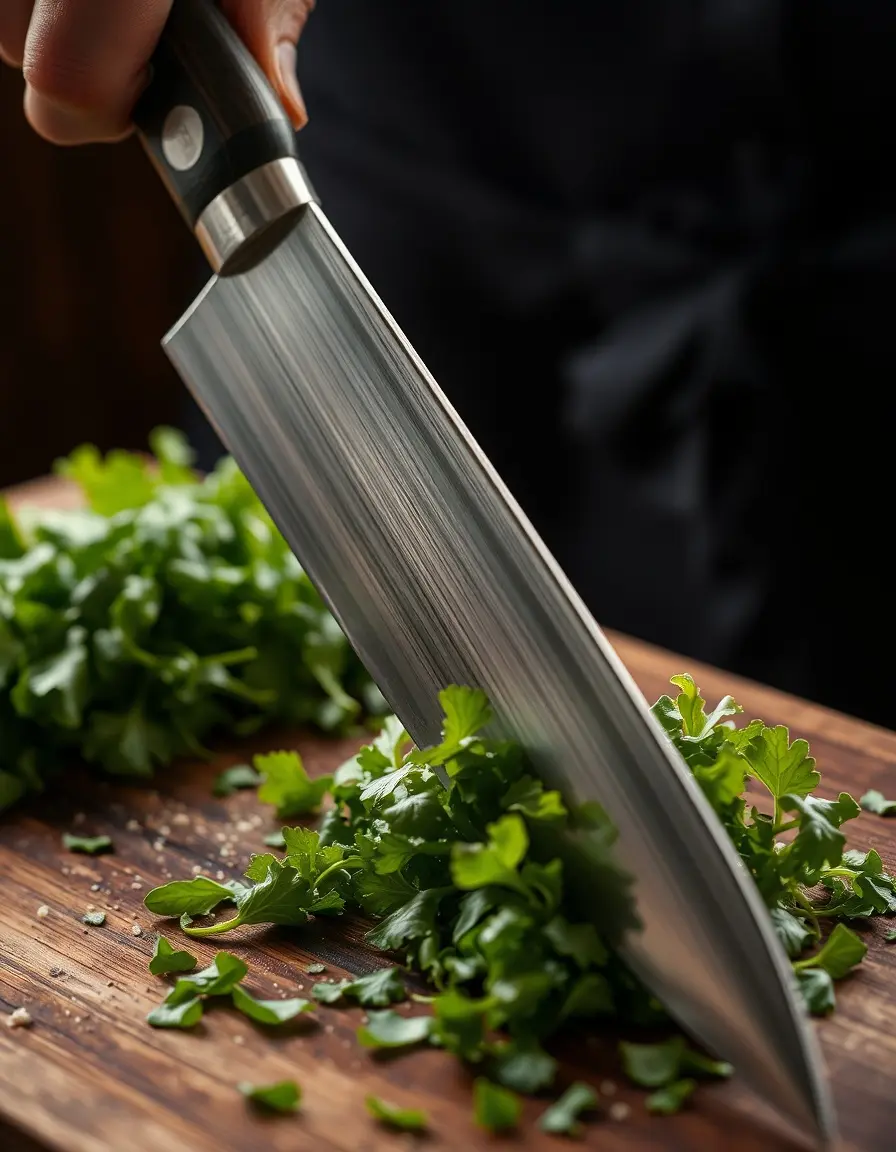
Nakiri Vegetable Knife
If you find yourself prep-heavy on greens, the Nakiri is a game-changer. Unlike a curved chef's knife, its flat profile means the entire blade hits the board at once. No more "accordion" veggies held together by a thin string of skin!
Check Current PriceBeyond the Chef's Knife: Specialized Precision
Once you have your primary "workhorse" (usually an 8-inch chef's knife or a Nakiri), it's time to look at the specialized tools. This is where most people get overwhelmed, but it's actually where the joy of cooking lives. Using the right tool for the job doesn't just make you faster; it makes the process safer and more satisfying.

Petty Knife Small Utility
Think of the Petty knife as the chef's knife's little brother. It’s perfect for those "in-between" tasks where a big blade feels clunky but a paring knife feels too small. I use mine for everything from slicing shallots to segmenting citrus.
View on AliExpressWhy We Often Look to AliExpress for Gear
I’ll let you in on a little secret: many "high-end" boutique knife brands are actually sourcing their steel and manufacturing from the same specialized regions you find on AliExpress. By shopping directly, you can often find affordable professional-grade knives without the 400% retail markup. Places like AliExpress offer incredible variety—from traditional Japanese shapes to modern ergonomic knife handles—often at a fraction of the price. Just remember to check the seller's history and read the recent reviews (and maybe grab a honing rod while you're at it!).
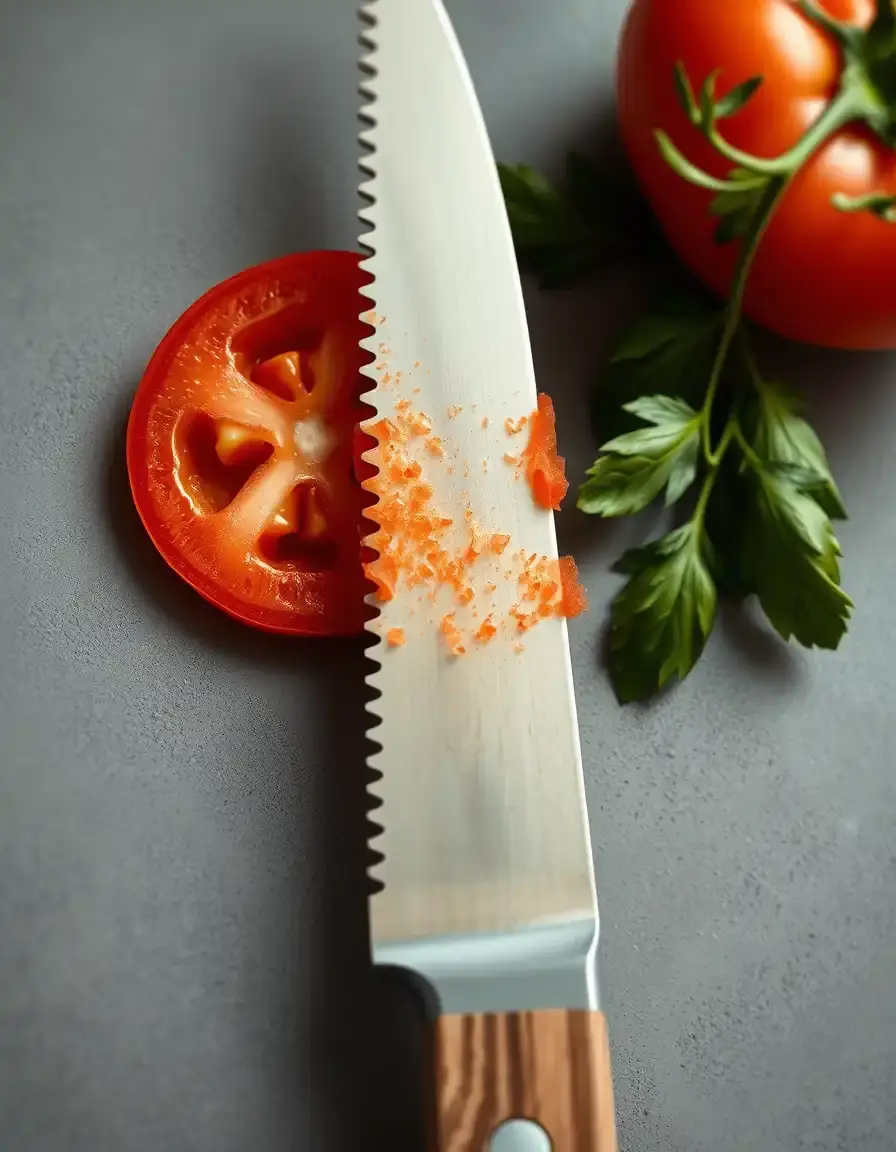
Tomato Knife Serrated
Nothing ruins a mood like squashing a beautiful heirloom tomato because your knife is too dull. A dedicated serrated tomato knife bites into the skin immediately, giving you paper-thin slices without the mess. (Pro tip: It's also great for small rolls!)
Explore SelectionThe Art of the Protein Prep
When it comes to meat and fish, precision is everything. You're dealing with different textures—tough silver skin, delicate fats, and brittle bones. This is where must-have kitchen essentials like a flexible fillet knife or a dedicated carver really prove their worth. (Trust me, trying to carve a Thanksgiving turkey with a bread knife is a recipe for a very sad dinner table.)
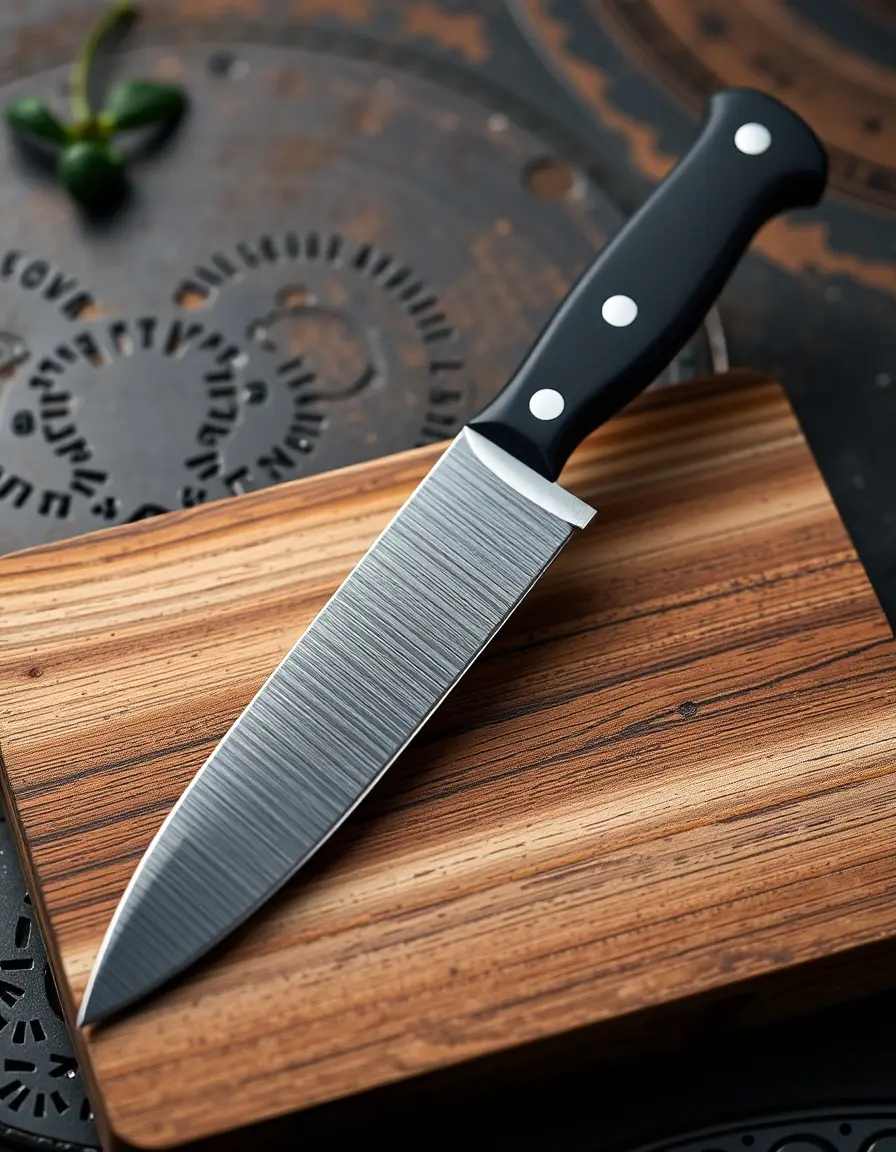
Fillet Knife Flexible 7 Inch
A good fillet knife needs to "dance." This 7-inch flexible blade is designed to follow the curve of the bone, ensuring you get every last bit of protein without wasting a thing. It’s a durable kitchen tool that makes home fish prep feel like a breeze.
Check Deals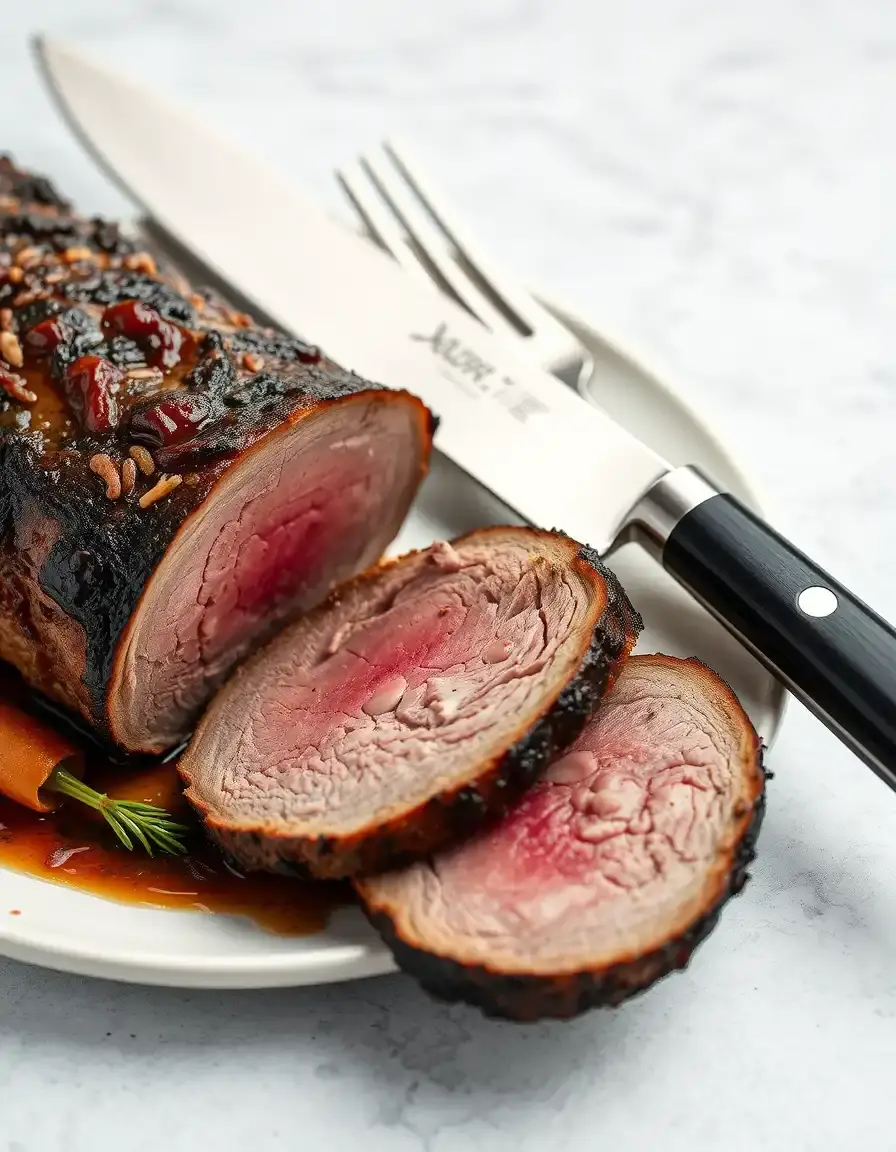
Carving Knife Long
A long, slender carving knife allows for long, singular strokes. This prevents the "sawing" motion that tears meat fibers, leaving you with those beautiful, smooth slices you see in professional kitchens. Essential for any holiday host.
See SpecificationsThe Niche Tools You Didn't Know You Needed
Once you've got the basics and the protein tools down, you can start looking at the "specialists." These are the knives that might only come out once a week, but when they do, they save you ten minutes of frustration. We're talking about beginner-friendly kitchen gear that elevates your prep game to the next level.
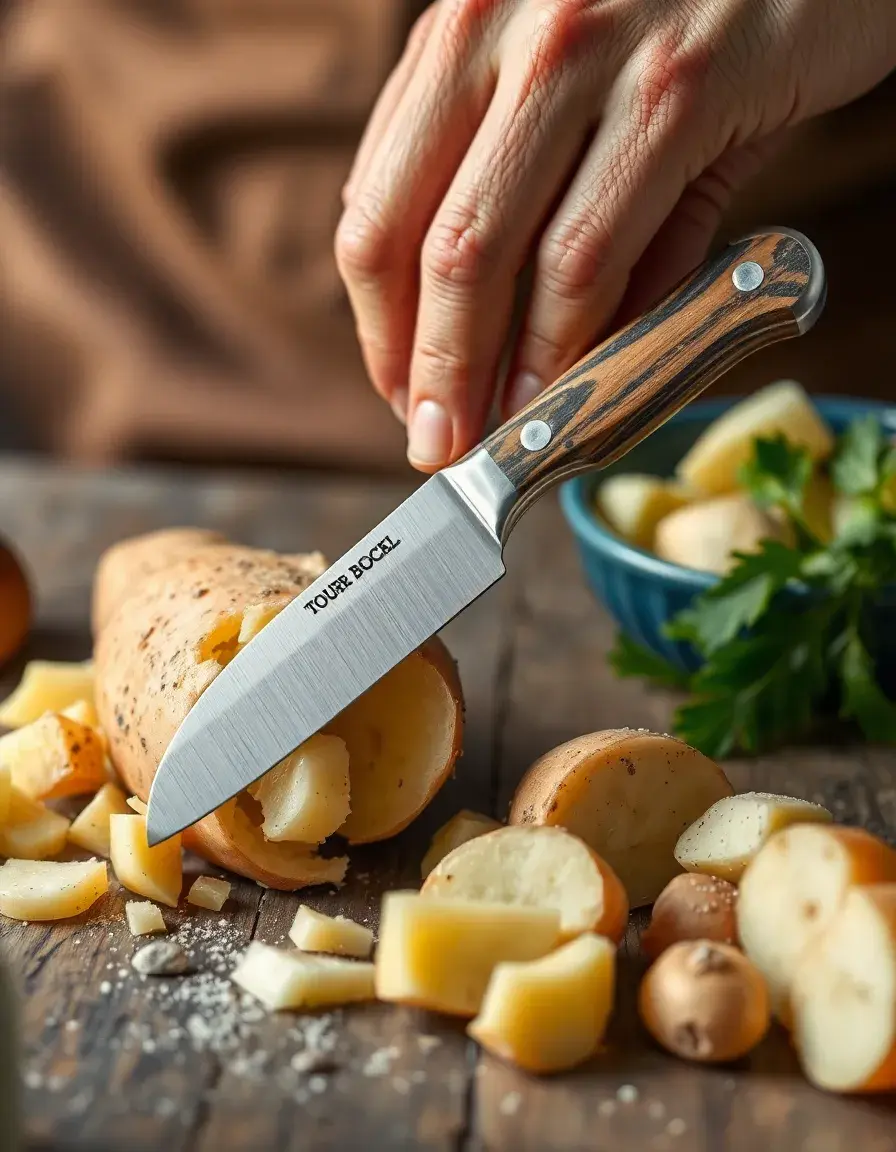
Tourne Knife Bird Beak
The "bird's beak" curve is specifically designed for spherical objects. Whether you're peeling an apple, tournéing a potato, or hulling strawberries, the blade shape naturally follows the round surface. It's significantly safer than using a straight blade for these tasks.
View Details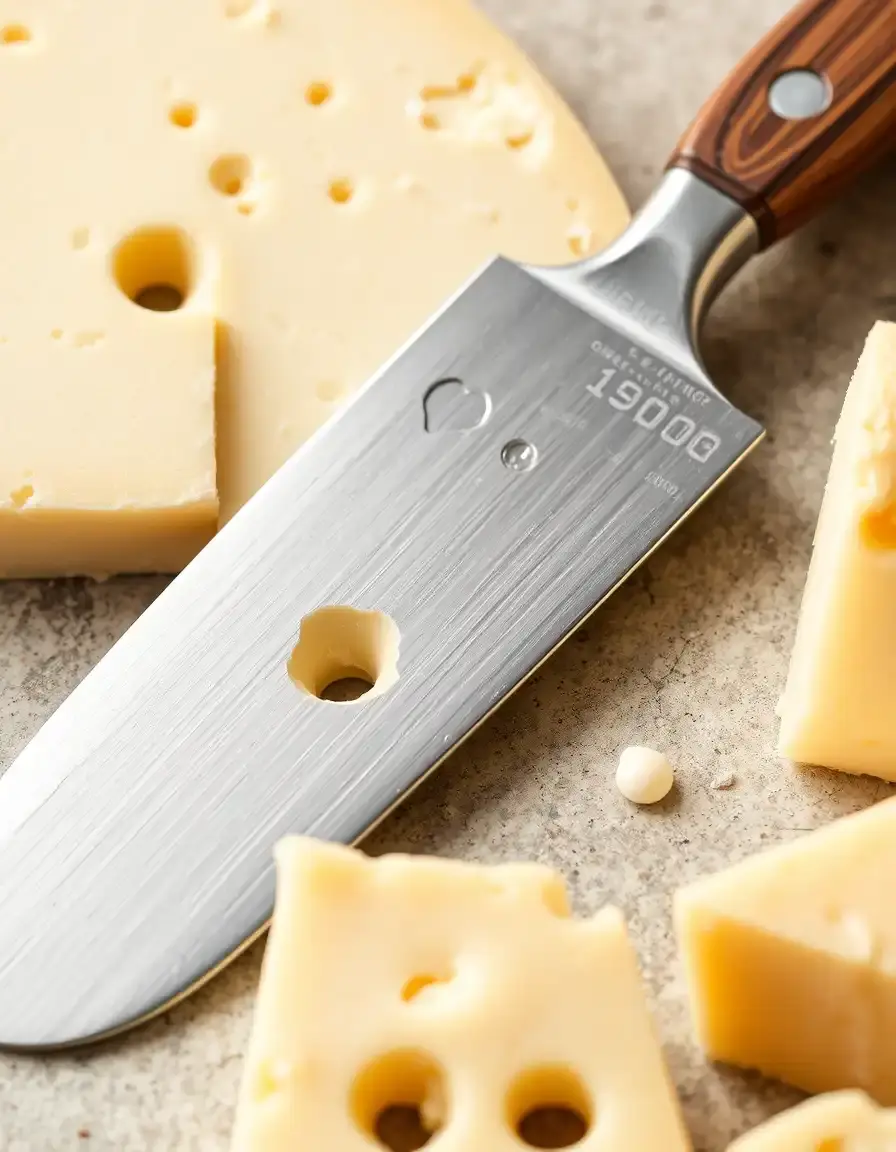
Cheese Knife Soft
Ever notice how soft brie sticks to a normal knife? This offset knife features holes in the blade to reduce surface area, preventing that annoying "suction" effect. It ensures your cheese board looks like a work of art rather than a battlefield.
Check Availability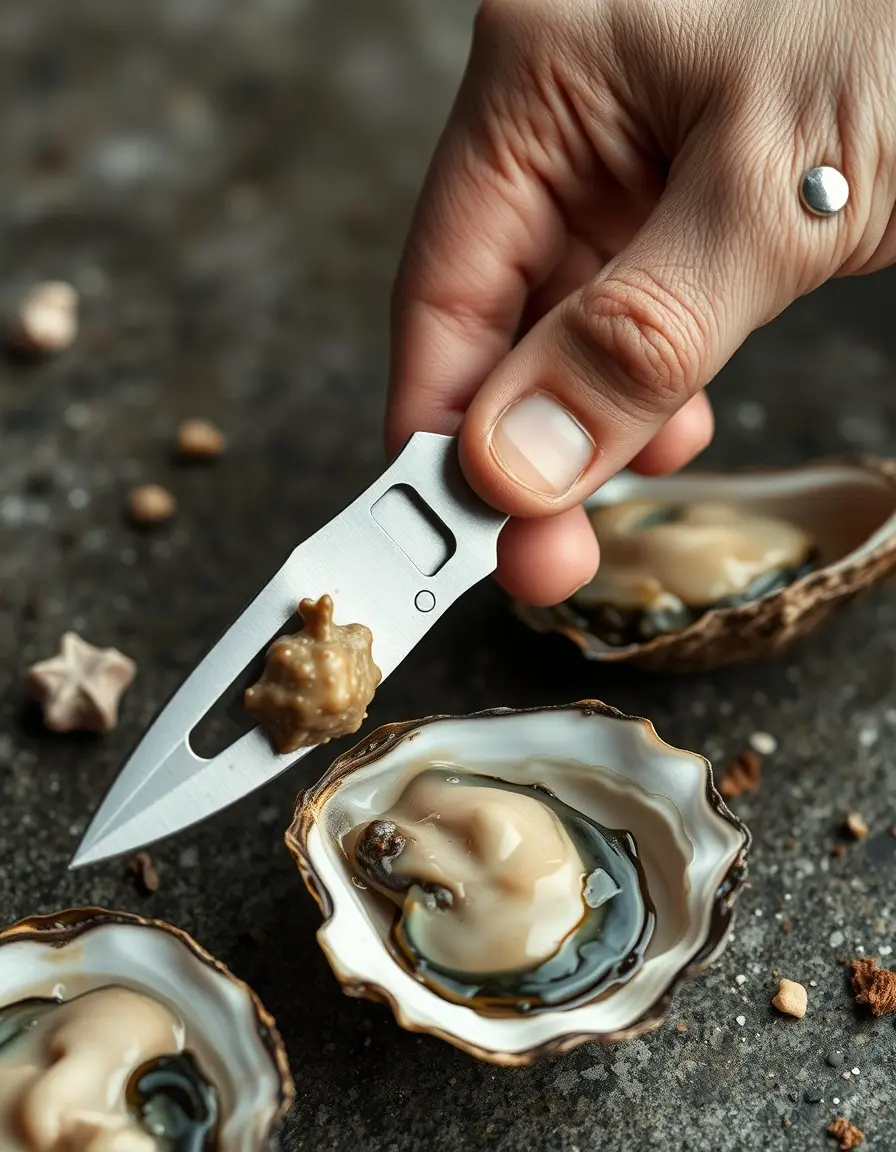
Oyster Shucking Knife
Please—for the sake of your hands—don't use a kitchen knife to open oysters. A shucking knife is short, blunt, and incredibly sturdy, designed to pry rather than slice. It's a prime example of a tool where long-lasting cookware and tools save you a trip to the ER.
Explore PricingFinal Thoughts: Caring for Your Investment
Buying the best kitchen knives is only half the battle. If you put your high-carbon blade in the dishwasher, you're essentially signing its death warrant. The heat and harsh detergents will dull the edge and potentially crack the handle. (I’ve seen it happen to the best of us—it’s a heartbreak you don't want.)
Instead, follow these simple rules for how to care for kitchen knives:
- Hand wash only: Warm water, mild soap, and immediate drying.
- Use the right board: Stick to wood or high-quality plastic. Glass or marble boards will dull your edge in minutes.
- Hone frequently: A honing rod doesn't sharpen (remove metal), it realigns the edge. Do it every few uses.
- Store safely: Use a magnetic strip or a wooden block. Never toss them loose in a drawer!
Building a kitchen knife collection is a journey. You don't need to buy all eight of these today. Start with a chef's knife or a Nakiri, add a Petty knife, and then fill in the gaps as your cooking evolves. Your kitchen should be a place of joy, not a struggle with dull blades.
Ready to Slice Like a Pro?
Your journey to a better kitchen starts with the right tools. Explore more in-depth reviews and must-have kitchen essentials at our Kitchen Tools & Accessories Hub. Sign up for our newsletter to get the latest 2026 gear alerts and hands-on reviews delivered straight to your inbox!
Join the KitchGear Community